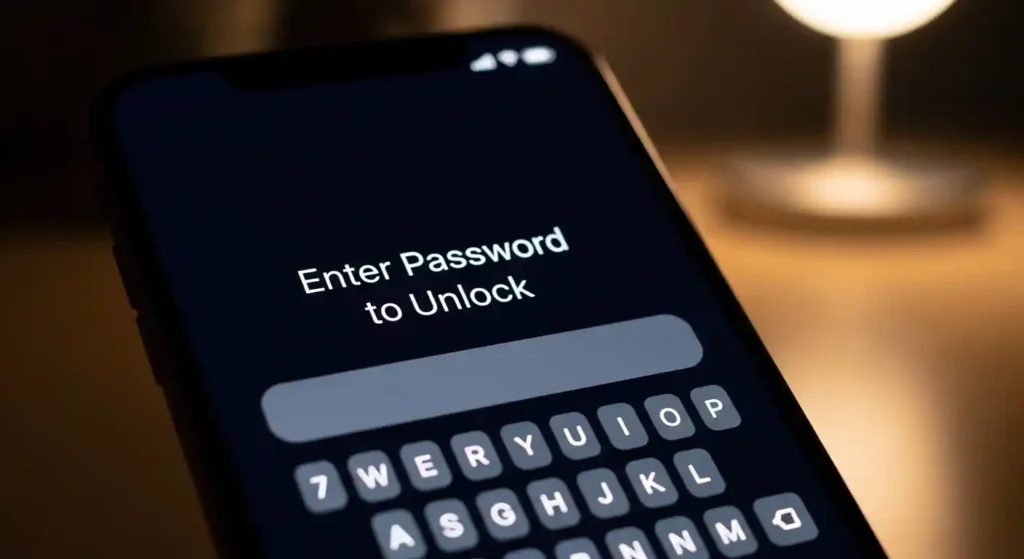
Introduction to password protection
In a world that’s increasingly digital, securing your personal information is more crucial than ever. You’ve probably encountered the phrase “Enter Password to Unlock” at some point, whether it’s on your phone, computer, or even an app. But what does it really mean? Why do we need passwords at all? As our lives become intertwined with technology, understanding password protection is essential for safeguarding our data and privacy.
So let’s dive into this intriguing topic! We’ll explore common scenarios where you might see that familiar prompt, discuss why passwords matter in keeping your information safe, and share tips on creating strong ones. Whether you’re tech-savvy or just starting out in the digital realm, there’s something here for everyone who wants to keep their data protected. Get ready to unlock the mystery behind password protection!
Common instances of ‘Enter Password to Unlock’
You’ve probably encountered the prompt “Enter Password to Unlock” on various devices. It’s a common occurrence in our digital lives. This message often appears when you try to access your smartphone or tablet after inactivity.
Laptops and computers also use similar prompts, especially if they’re password-protected. Whether it’s waking from sleep mode or logging into an account, these safeguards keep your data secure.
Online accounts frequently require you to enter passwords as well. Banking apps and social media platforms are prime examples where unauthorized access can lead to serious consequences.
Even files stored on cloud services might demand a password for unlocking important documents. Each of these instances emphasizes the role of passwords in protecting personal information.
The purpose of password protection
Password protection serves as a fundamental barrier between your sensitive information and potential threats. In our digital age, where data breaches are rampant, having a secure password is more vital than ever.
It acts as the first line of defense against unauthorized access. When you enter passwords to unlock accounts or devices, you’re ensuring that only you can view personal messages, financial details, and other confidential materials.
Moreover, password protection cultivates trust in online transactions. Customers feel safer knowing their private information is shielded by robust security measures.
As hackers use increasingly sophisticated methods to infiltrate systems, strong passwords become essential for safeguarding not just individual privacy but also corporate integrity. By prioritizing password protection, we take significant steps toward preserving our digital lives from prying eyes and malicious intent.
Understanding Reliant Drug Testing: What You Need to Know
How to create a strong password
Creating a strong password is essential in today’s digital landscape. Start by mixing upper and lower case letters, numbers, and special characters. This combination makes it much harder for potential intruders to guess.
Avoid using easily accessible personal information like birthdays or names. Instead, consider using a passphrase—a sequence of unrelated words strung together that can be easier to remember yet difficult to crack.
Length matters too; aim for at least 12-16 characters. The longer the password, the more secure it becomes.
Don’t forget to change your passwords regularly. Stale passwords are an open invitation for hackers.
Consider using a password manager. These tools securely store your passwords and can generate complex ones on your behalf, making life simpler while keeping you safe online.
Tips for remembering your passwords
Remembering passwords can be a challenge, given the number we use every day. One effective method is to create a memorable phrase or sentence that incorporates numbers and special characters. For instance, “My dog Max is 5 years old!” becomes “MdM!5y0.”
Another strategy involves using a password manager. These tools securely store your passwords and help generate strong ones when needed. You only need to remember one master password.
Consider associating your passwords with personal memories that are easy for you to recall but hard for others to guess.
Using visual cues can also aid memory retention; picturing an image related to your password might make it stick in your mind more effectively.
Try writing down complex passwords in a secure place if digital options aren’t suitable for you. Just ensure it’s not easily found by anyone else!
Alternatives to traditional passwords
As technology evolves, so do the methods we use to secure our information. Alternatives to traditional passwords are gaining popularity for their convenience and security.
Biometric authentication is one of the most effective options. Using fingerprints or facial recognition can provide quick access without needing to remember complex passwords.
Two-factor authentication (2FA) adds an extra layer of protection by requiring another verification step. This might involve a code sent via text message or email.
Password managers have also emerged as a viable choice. These tools securely store your passwords and generate strong ones for you, reducing the need for memorization.
Hardware tokens offer physical security keys that can authenticate users with just a touch. This method ensures that even if someone knows your password, they still can’t gain access without the token in hand.
Conclusion: Importance of protecting personal information
Protecting personal information is crucial in today’s digital landscape. Every time we log into an account, share a document, or browse online, we expose ourselves to potential risks.
Cybercriminals continually develop new tactics to access sensitive data. A simple oversight can lead to identity theft or unauthorized transactions.
Utilizing password protection features like “Enter Password to Unlock” adds a layer of security. It acts as your first line of defense against unwanted intrusions.
Moreover, awareness about the importance of strong passwords cannot be overstated. Weak passwords are often the easiest targets for hackers.
Creating unique and complex passwords while utilizing secure methods ensures that your data remains safe.
In this age where everything from banking details to social interactions occurs online, safeguarding our personal information should be a top priority for everyone.
FAQs
What does ‘Enter Password to Unlock’ mean?
This prompt usually indicates that a device, application, or file is secured. It requires you to input the correct password to access your information.
Why do I see ’30 attempts remaining’?
When you encounter this message, it means you’ve got 30 tries left before the system locks you out. It’s essential to be cautious with each attempt as failing too many times can lead to temporary account suspension.
How can I create a strong password?
Aim for at least 12 characters combining letters, numbers, and symbols. Avoid using easily guessable information like birthdays or names.
What are some tips for remembering my passwords?
Consider using a passphrase made up of random words or phrases. You could also use a reputable password manager that stores all your passwords securely.
Are there alternatives to traditional passwords?
Yes! Biometric options like fingerprint scans and facial recognition have gained popularity due to their convenience and security features.
Is it safe to write down my passwords?
If you’re going this route, ensure it’s stored in a secure place away from prying eyes. However, digital solutions often provide better security when used correctly.
Protecting personal information is vital in today’s digital age. Understanding how ‘enter password to unlock’ functions helps reinforce our awareness of online safety measures.