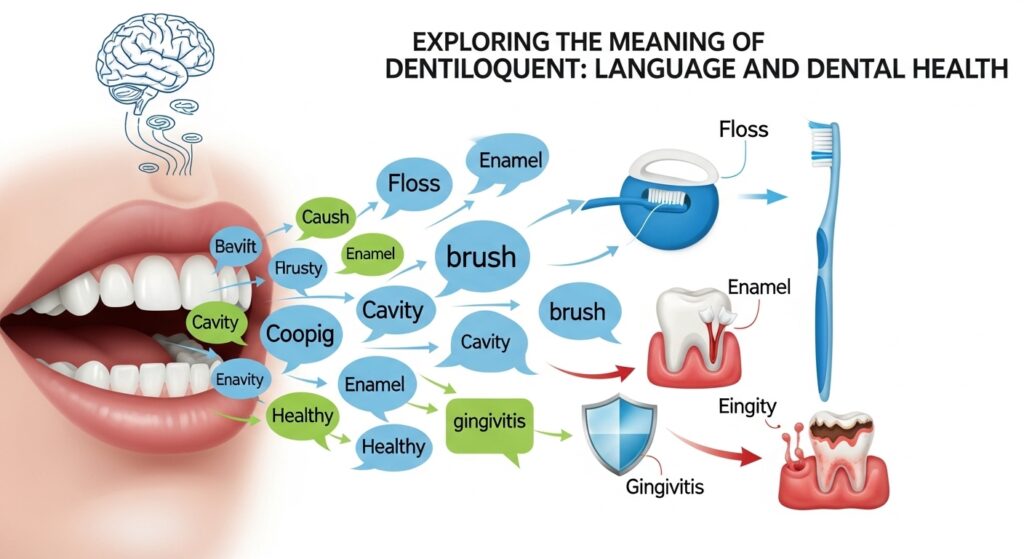
Language shapes our experiences in profound ways, especially when it comes to something as personal as dental health. Have you ever heard the term “dentiloquent”? It’s a fascinating word that highlights the connection between language and dentistry. As we dive deeper into this topic, we’ll uncover how our choice of words can significantly influence patient perceptions and outcomes.
From creating a comforting atmosphere in the dentist’s chair to ensuring patients understand their treatment options, language plays an integral role. This exploration reveals not just definitions but also empowers both practitioners and patients alike to foster better communication. Join us on this journey through the world of dental vocabulary—where every word matters!
Understanding the word
The term “dentiloquent” originates from Latin roots, combining “denti” meaning tooth and “loquor,” which translates to speak. Essentially, it refers to someone who speaks about teeth or dentistry.
This word captures the essence of how language can convey information about dental health. It emphasizes not just the act of speaking but also the importance of effective communication in a dental context.
When we think about dentiloquent individuals, it might evoke images of dentists explaining procedures or hygienists discussing oral hygiene tips. However, its significance extends beyond professionals. Patients also engage in this dialogue when they ask questions or share their concerns.
Understanding dentiloquence encourages us to consider more than just technical jargon; it’s about fostering an environment where clear, accessible language empowers everyone involved in dental care.
The impact of language on dental health
Language shapes not only our communication but also our perceptions of health, including dental care. The words we use can influence a patient’s anxiety and willingness to engage with their treatment.
Positive language fosters an environment of trust. When dentists choose empowering phrases, patients often feel more at ease. This comfort can lead to better compliance with oral hygiene practices and regular check-ups.
Conversely, negative terminology can create fear or discomfort. Words like “pain,” “drill,” or “cavity” may evoke dread in some individuals. These feelings might deter them from seeking necessary care.
Effective communication is vital for building relationships between dentists and patients. By understanding the impact of language on dental health, professionals can adopt a more thoughtful approach that enhances overall patient experience and outcomes.
Words associated with dentistry and their meanings
Dental terminology can sometimes feel like a foreign language. Understanding these terms helps patients engage more fully in their dental care.
“Caries” refers to tooth decay caused by bacteria. It’s essential for patients to recognize it early for effective treatment.
Another common term is “periodontitis.” This condition affects the gums and bones supporting teeth, highlighting the importance of gum health.
A less familiar word might be “endodontics,” which deals with dental pulp issues. Knowing this can help demystify procedures like root canals, making them less intimidating.
“Prophylaxis” is often mentioned during cleanings; it means preventive care aimed at avoiding disease before it starts.
Finally, “anesthesia” covers pain management techniques used during various treatments. Familiarity with these words empowers patients and encourages open dialogue about their oral health needs.
The importance of using positive and empowering language in dentistry
Using positive and empowering language in dentistry can transform the patient experience. When patients hear encouraging words, they feel more at ease. This comfort can significantly reduce anxiety, making visits less daunting.
Words have power. Phrases like “healthy smile” or “great progress” create a sense of accomplishment for patients. Celebrating small victories fosters trust between dentists and their clients.
Empowerment through language also encourages patients to take charge of their dental health. When professionals use supportive terms, individuals are more likely to engage in preventive care and follow treatment plans.
Additionally, this approach builds lasting relationships. Patients who leave feeling uplifted are more inclined to return and refer others. The right words not only enhance communication but also promote a positive perception of dental practices overall.
Common negative words used in dental care and their effects on patients
In dental care, language plays a crucial role in shaping patient experiences. Certain negative words can trigger anxiety and fear among patients. Terms like “pain,” “drill,” or “surgery” often evoke feelings of dread.
When patients hear these words, they might imagine worst-case scenarios. This ultimately impacts their willingness to seek treatment or follow through with necessary procedures.
Moreover, phrases that imply judgment, such as “cavity” or “failure,” can make individuals feel ashamed about their oral health choices. This shame may lead to avoidance of future appointments.
Using softer alternatives can transform the conversation entirely. Instead of focusing on pain, dentists could emphasize comfort and care.
By consciously avoiding harsh terminology, dental professionals foster a more positive environment where patients feel safe and understood. Such adjustments in language not only enhance communication but also improve overall patient satisfaction during visits.
Tips for dentists to improve communication with patients through language
Effective communication is key in dental practice. Dentists can build trust by using simple language. Avoid jargon that might confuse patients.
Empathy plays a significant role too. Acknowledge fears and concerns with understanding phrases. Let patients know it’s okay to feel anxious about treatments.
Encourage questions and actively listen. This allows for an open dialogue, making patients feel valued and heard.
Visual aids can enhance understanding as well. Diagrams or models help explain procedures clearly.
Positive reinforcement should not be overlooked either. Use encouraging words when discussing progress or hygiene habits to motivate better care at home.
Follow up after appointments with a friendly message or call, reinforcing the dentist-patient relationship while addressing any lingering questions they may have.
Conclusion
Exploring the intricate connection between language and dental health reveals how powerful words can be in shaping patient experiences. Understanding terms like “dentiloquent” highlights the importance of communication in dentistry. When dentists use positive, clear language, they foster a more welcoming environment for their patients.
Words related to dentistry carry significant weight. They can either encourage or instill fear. By choosing empowering vocabulary, dental professionals can positively influence how patients perceive their care. However, negative terminology often creates anxiety and mistrust among those seeking treatment.
For dental practitioners aiming to enhance patient interactions, effective communication is essential. Employing straightforward language while avoiding jargon makes information accessible and reassuring. Listening actively and ensuring that patients feel heard also plays a vital role in building trust.
As we navigate our journeys towards better oral health, it’s evident that the way we talk about teeth matters deeply. Embracing positivity through careful word choice not only promotes better relationships but ultimately leads to healthier smiles all around.