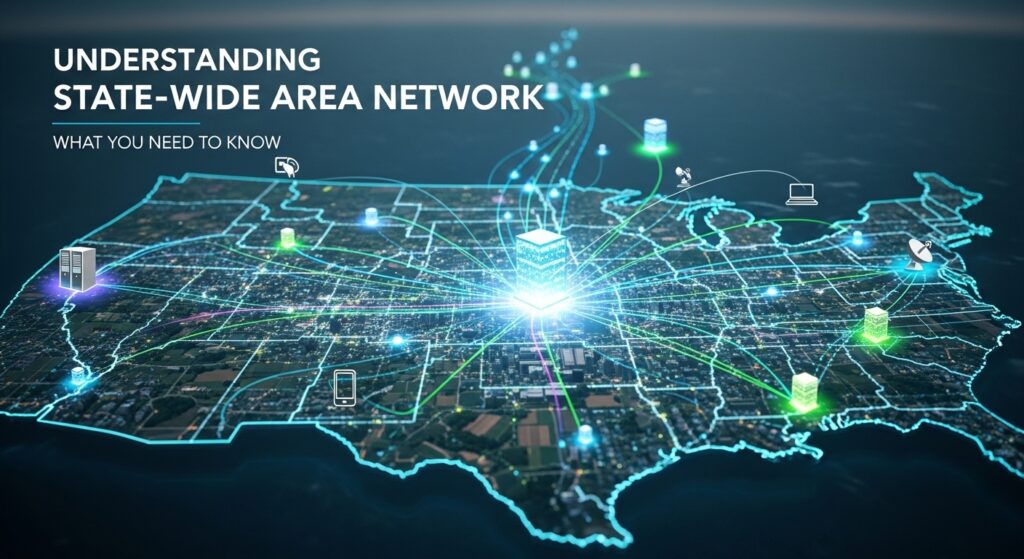
In an increasingly interconnected world, the way we share information and resources has evolved dramatically. Enter the state wide area network (SWAN), a game-changer for organizations that need to connect multiple locations seamlessly. Imagine being able to streamline communication across various branches or departments spread throughout an entire state. That’s exactly what SWANs aim to achieve.
Whether you’re part of a government agency, educational institution, or large enterprise, understanding SWANs can unlock new opportunities for efficiency and collaboration. But what exactly is a state-wide area network? How does it work? And why should your organization consider implementing one? Let’s dive into the essentials of SWANs and explore everything you need to know about these powerful networks.
Definition and Basics of a State Wide Area Network (SWAN)
A state wide area network (SWAN) is a telecommunications system that connects various locations across an entire state. It allows organizations to share resources, data, and applications efficiently.
Unlike standard local area networks (LANs), which are limited to smaller geographic areas, SWANs extend connectivity over broader distances. This makes them ideal for government agencies, educational institutions, and large corporations with multiple sites.
At its core, a SWAN typically utilizes high-speed internet connections and advanced routing technologies. These elements work together to ensure reliable communication among all connected locations.
Furthermore, SWANs often incorporate secure access protocols to protect sensitive information while enabling seamless collaboration across branches or departments spread throughout the region. This level of integration ensures that teams can work effectively without geographical barriers hindering their productivity.
Advantages of Implementing a SWAN
Implementing a state-wide area network (SWAN) offers numerous advantages that enhance operational efficiency. First, it facilitates seamless communication across various government agencies and institutions. This interconnectedness promotes collaboration and streamlines processes.
Cost savings are another significant benefit. By consolidating resources and infrastructure, organizations can reduce expenditures on multiple local networks. A unified system allows for more effective budget allocation.
Moreover, SWAN enhances data sharing capabilities. With standardized protocols in place, information flows smoothly between entities, ensuring decision-makers have access to timely data.
Security is also improved with centralized management of cybersecurity measures. Organizations can implement consistent policies to protect sensitive information against threats.
The scalability of a SWAN supports future growth. As technology evolves or needs change, expanding the network becomes simpler without massive overhauls or disruptions.
Key Components of a SWAN
A state wide area network (SWAN) consists of several key components that work together to ensure seamless communication across extensive geographical areas.
At the core, you have routers and switches. These devices direct data traffic efficiently, ensuring information reaches its destination without delays. They form the backbone of any robust SWAN.
Another essential element is cabling infrastructure, which can include fiber optics or coaxial cables. This physical layer connects various locations and supports high-speed data transmission.
Network servers also play a pivotal role in managing data storage and application services across different sites. These servers provide necessary resources for users connected to the network.
Security features are crucial in safeguarding sensitive information within a SWAN. Firewalls, encryption protocols, and regular monitoring help protect against potential threats while maintaining privacy standards for all users involved.
Types of Connections in a SWAN
State-wide area networks (SWANs) utilize various connection types to facilitate seamless communication across vast regions. These connections can be broadly categorized into dedicated lines, wireless links, and virtual private networks (VPNs).
Dedicated lines provide a direct and stable link between locations. This option is ideal for businesses that require high-performance data transfer without interruptions.
Wireless links offer flexibility and ease of deployment. They connect multiple sites using radio frequencies or satellite communications, making them suitable for areas where laying physical cables may be challenging.
On the other hand, VPNs create secure tunnels over public internet connections. They enable remote access while ensuring data privacy through encryption protocols.
Each connection type serves unique needs within a SWAN framework. Choosing the right mix is essential for optimizing performance and ensuring reliability across state-wide operations.
Choosing the Right Provider for Your SWAN
Choosing the right provider for your state-wide area network is crucial. It can significantly impact your network’s performance and reliability.
Start by evaluating potential providers based on their experience with SWAN projects. Look for companies that have a proven track record in delivering similar solutions to businesses or government entities.
Next, consider scalability. As your needs grow, will the provider support expansion? Flexibility is key when future-proofing your network.
Don’t overlook customer service. A responsive support team can make all the difference during outages or technical issues.
Additionally, examine their technology offerings. Modern protocols and equipment are essential for optimal speed and security.
Compare pricing structures carefully. Ensure there are no hidden fees down the line that could affect your budget unexpectedly. Taking these factors into account will help you find a suitable partner for your SWAN initiative.
Common Challenges and How to Overcome Them
Implementing a state-wide area network can be daunting. One major challenge is ensuring consistent connectivity across diverse geographic areas. Rural locations might struggle with infrastructure limitations, causing delays in service.
Security concerns also loom large. With vast data crossing various regions, robust security measures must be in place to protect sensitive information from potential breaches.
Another hurdle is the complexity of integration with existing systems. Organizations often face difficulties aligning new technology with legacy systems, leading to inefficiencies and frustration among users.
To tackle these issues, investing in comprehensive training for staff is crucial. This helps ensure they are equipped to handle the nuances of the network effectively.
Collaborating closely with experienced providers can also alleviate many challenges. They offer tailored solutions and ongoing support that align well with specific needs while addressing potential obstacles proactively.
Future of State Wide Area Networks
The future of state wide area networks (SWAN) is bright and filled with potential. As technology advances, these networks will likely evolve to support even greater connectivity across regions.
With the rise of Internet of Things (IoT) devices, SWANs could integrate more seamlessly into everyday operations. This integration will enhance data collection and analytics capabilities for governments and businesses alike.
Additionally, the push towards 5G technology presents opportunities for faster speeds and improved reliability within SWANs. These advancements could streamline communication processes, making public services more efficient.
Cybersecurity will also take center stage as threats grow in complexity. Future SWAN implementations must prioritize robust security measures to protect sensitive information shared across state lines.
Collaboration between state agencies may deepen as they leverage these networks for better resource sharing. Innovations in cloud computing may further transform how data is accessed and utilized in real-time settings.
Conclusion
Understanding State-Wide Area Network: What You Need to Know
A state-wide area network (SWAN) plays a vital role in connecting institutions across an entire region. These networks span larger geographical areas compared to local area networks (LANs), facilitating communication and data sharing among various organizations, government bodies, and educational facilities within the state.
By providing a centralized infrastructure for connectivity, SWAN offers significant advantages. Organizations can streamline their operations by accessing shared resources and services efficiently. This collaboration enhances productivity while reducing operational costs associated with managing multiple systems.
Key components of a SWAN include routers, switches, firewalls, and cables that interlink different locations. Backbone infrastructure is crucial for ensuring stable connections throughout the network. Additionally, software solutions help manage traffic flow and maintain security protocols.
When it comes to types of connections in a SWAN, options vary from fiber optics to wireless links depending on geographical challenges or budget constraints. Each connection type has its own benefits tailored to specific needs—such as higher speeds with fiber optics or more accessibility through wireless setups.
Choosing the right provider for your state-wide area network involves assessing factors like reliability, service quality, customer support, and pricing models. A partner who understands regional demands will ensure optimized performance across all connected nodes in your network.
Despite these advantages upsides come challenges too; issues such as bandwidth limitations or cybersecurity threats may arise during implementation or operation phases. Training staff on system use can mitigate human errors while investing in robust security measures safeguards sensitive information effectively.
As technology continues evolving rapidly so does the future landscape of state-wide area networks promising enhanced capabilities fueled by advancements like 5G technology which will further increase bandwidth availability enabling seamless connectivity between users regardless of distance traveled along with improved overall performance metrics across all sectors utilizing this innovative solution framework helping them thrive together cohesively moving forward into tomorrow’s digital frontier where everyone stays interconnected no matter where they are located geographically speaking thus paving pathways towards greater progress potentiality altogether!